Top Things to Do in Malacca
12 must-see attractions and experiences
Malacca is where Malaysia's story was written in brick, spice, and river silt. The Melaka River, a tea-colored ribbon winding past shophouses painted in saffron and pistachio, still hums with commerce. The air carries the sweet, yeasty scent of pandan cakes baking beside the sharp tang of belacan shrimp paste frying in a wok. You will feel the humid weight of layered histories underfoot, from the smooth stones of Dutch Square, stained crimson by the setting sun, to the cool ceramic tiles of a Peranakan mansion echoing with the rustle of antique kebaya silk. Malacca is not a museum frozen in time. It is a living palimpsest, where Portuguese ruins crumble beside contemporary murals and the call to prayer from a minaret mingles with the clatter of plastic stools being set out for chicken rice balls. The city's character lives in quiet moments: steam rising from strong kopi in a morning market, a tropical downpour cooling the afternoon, the tart and syrupy cendol sliding down your throat after a hot day of exploration.
Hand-Picked Experiences in Malacca
The best of every kind, whatever you're in the mood for
Culture & History
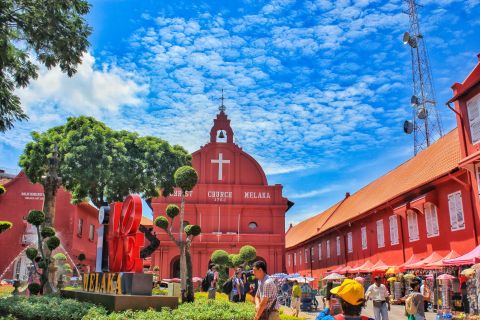
From Kuala Lumpur: Historical Malacca Tour with Lunch option
a historical Malacca tour with lunch option from kuala lumpur.

Malacca Historical and Heritage Tour with Professional Tour Guide
a Malacca historical and heritage tour with professional tour guide.
Insider tip expect a full-day sightseeing tour visiting a UNESCO World heritage city.
On the Water
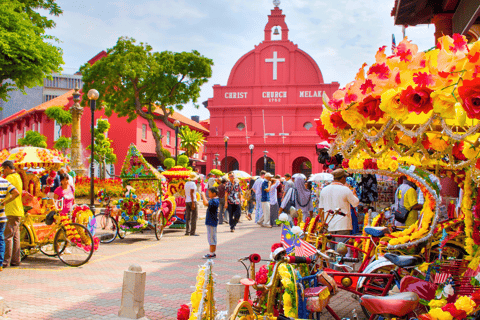
Kuala Lumpur: Malacca Day Trip with River Cruise and Lunch
a kuala lumpur Malacca day trip with river cruise and lunch.
Day Trips Further Afield
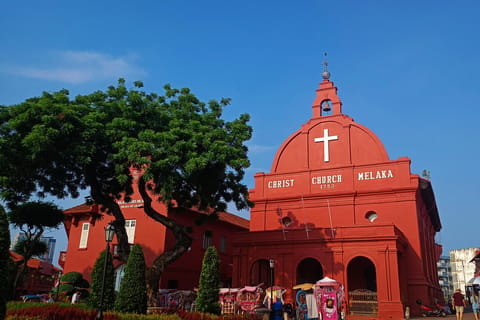
From Kuala Lumpur: Full-Day Tour to Malacca
a full-day tour to Malacca from kuala lumpur.

Malacca Shore Excursion with Tour Guide & Baba Nyonya Lunch
a Malacca shore excursion with tour guide and Baba Nyonya lunch.
Insider tip this is a full-day private sightseeing tour from the cruise port.
More to Explore
Even more of the best of Malacca

°Chauffeur: Malacca to Singapore Van Transfer
OtherThis private van transfer turns the journey from Malacca to Singapore into a comfortable, direct trip with a professional driver, bypassing the need for multiple public transport connections. You will watch the scenery shift from Malacca's low-rise heritage skyline to the manicured plantations and eventually the urban expanse of Singapore, all from the relaxed privacy of your own vehicle.

Malacca City To Kuala Lumpur City En-route Putrajaya Tour
Guided ExperienceThis service blends a transfer from Malacca to Kuala Lumpur with a curated stop in Putrajaya, Malaysia's futuristic administrative capital. You will experience the stark contrast between Malacca's weathered history and the soaring, polished domes and bridges of Putrajaya's artificial lakes and government complexes before continuing to your destination.

Malacca To Kuala Lumpur International Airport
OtherA direct, pre-booked transfer from Malacca city to Kuala Lumpur International Airport removes the stress of finding last-minute transport for a flight. You will travel in a private vehicle, watching the urban landscape give way to oil palm plantations and highway, with the assurance of a timely arrival at your terminal.
Jonker Street Night Market
Notable AttractionsJonker Street Night Market transforms the historic heart of Malacca every Friday, Saturday, and Sunday evening into a dense, slow-moving river of humanity, lit by bare bulbs and neon signs. The air becomes thick with the sizzle of satay on charcoal grills, the sugary smell of dragon's beard candy being pulled, and the rhythmic clatter of souvenir trinkets, while your ears fill with a cacophony of haggling, laughter, and the tinny sound of pop songs from portable speakers.
Encore Melaka
Notable AttractionsEncore Melaka is a large-scale sensory theatrical production that tells the story of the state through impressive choreography, innovative stage technology, and a soaring musical score. You will feel the mist from the stage's water features, see hundreds of performers in elaborate costumes move in perfect unison under dramatic lighting, and hear a powerful orchestra blend traditional and modern melodies in a custom-built theater.
Melaka Botanical Garden
Natural WondersThe Melaka Botanical Garden has a large, green lung where the only sounds are the chatter of monkeys in the trees, the distant call of birds, and the crunch of your own footsteps on gravel paths. You will see towering rainforest trees forming a dense canopy, feel the temperature drop noticeably in the shaded sections, and smell the damp, earthy perfume of the jungle, a world away from the city's traffic just beyond its borders.
Malaysia Prison Museum
Museums & GalleriesHoused in a former colonial-era prison, the Malaysia Prison Museum presents a sobering, starkly different chapter of Malacca's past through its austere cells, restraint devices, and narrative exhibits. You will feel a chill in the thick-walled corridors, see the harsh conditions of historical incarceration, and read personal accounts that lend a human dimension to the imposing, institutional architecture.
Planning Your Visit
Practical tips for getting the most out of Malacca
Explore more experiences in Malacca
Browse live availability and pricing.
Didn't see anything interesting yet?
Browse Viator's full catalog of tours, day trips, food experiences, and private guides in Malacca.
See All Malacca Tours on ViatorReady to plan your trip to Malacca?
Now that you've got the research covered, here's where to go next.